
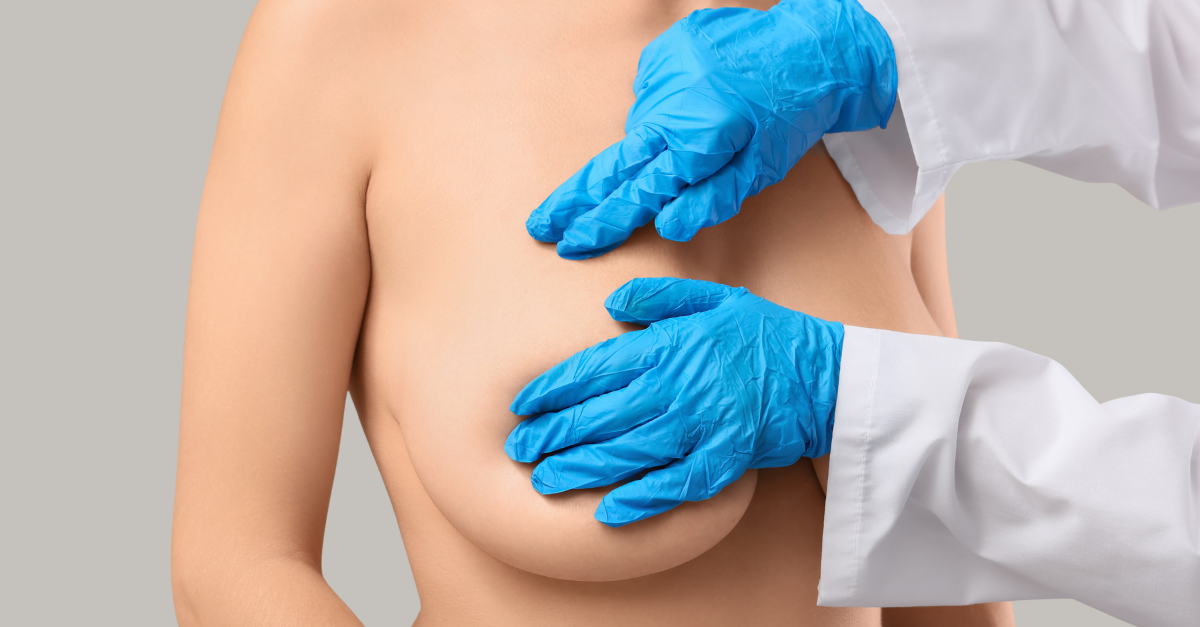
Beyond physical attractiveness, breast size can have an impact. For some women, having excessively large breasts can cause back pain, neck discomfort, shoulder pressure, skin irritation and difficulty performing everyday activities. It may also affect confidence, clothing choices and participation in physical activities.
In order to generate smaller, lighter, and more proportionate breasts, breast reduction surgery involves removing extra breast tissue, fat, and skin. In addition to enhancing general body proportions and breast shape, it might help lessen physical discomfort.
But how do you know if you are the right candidate for this procedure?
Understanding the signs, health considerations and expectations associated with breast reduction surgery can help you make an informed decision. Let’s explore who may benefit from this treatment.
What Is Breast Reduction Surgery?
Reduction mammoplasty, another name for breast reduction surgery, is a surgical technique used to shrink the size of the breasts by removing extra skin, glandular tissue, and fat.
The procedure also involves reshaping the remaining breast tissue to achieve a balanced appearance that complements the patient’s body proportions.
Women may consider this surgery for several reasons, including:
- Large breasts causing persistent back, neck or shoulder pain.
- Difficulty participating in exercise and physical activities.
- Skin irritation or rashes beneath the breasts.
- Shoulder marks caused by tight bra straps.
- Difficulty finding comfortable and properly fitting clothes.
- Discomfort or self-consciousness related to breast size.
The treatment approach depends on individual anatomy, medical history and desired outcomes.
Who Is an Ideal Candidate for Breast Reduction Surgery?
Not every woman with large breasts needs surgery. However, women experiencing physical discomfort, lifestyle limitations or concerns related to breast size may benefit from a professional assessment.
Here are some common signs that may indicate you are a suitable candidate.
1. Women Experiencing Chronic Back, Neck or Shoulder Pain
Excessively large and heavy breasts can place additional strain on the neck, shoulders and upper back.
Some women experience persistent discomfort while standing, walking, working or performing everyday activities.
If you regularly experience back, neck or shoulder pain that may be related to breast weight, a consultation with a qualified surgeon can help determine whether breast reduction is an appropriate option.
2. Women Experiencing Skin Irritation Under the Breasts
The skin beneath large breasts can experience friction, moisture and sweating, which may contribute to recurring irritation, rashes or infections.
If you frequently experience discomfort beneath the breast fold, it is worth discussing the problem with a healthcare professional.
Breast reduction may be considered when breast size contributes to recurring skin-related problems.
3. Women Facing Difficulty During Exercise and Physical Activities
Large breasts can make certain physical activities uncomfortable.
You may experience difficulty while running, jogging, exercising, playing sports or performing other movements.
Some women also avoid physical activities because of discomfort or difficulty finding suitable sports bras.
If breast size limits your daily movement or exercise routine, breast reduction may be one treatment option to discuss with a surgeon.
4. Women Experiencing Shoulder Grooves From Bra Straps
Heavy breasts can place pressure on the shoulders, causing visible indentations or grooves where bra straps rest.
These marks may be accompanied by shoulder discomfort and irritation.
Women experiencing persistent shoulder pressure because of breast weight may benefit from an evaluation to understand whether breast reduction could help.
5. Women Who Feel Their Breast Size Is Disproportionate to Their Body
Some women feel that their breast size does not complement their overall body proportions.
This may affect their clothing choices, comfort and confidence.
A breast size that is more in line with a person’s body type can be achieved via breast reduction surgery.
However, the desired outcome should be realistic and based on an individual consultation.
6. Women in Good General Health
Good overall health is an important consideration before undergoing any surgical procedure.
A suitable candidate should be able to undergo surgery and recover safely.
During the consultation, the surgeon may review:
- Medical history and existing health conditions.
- Current medications and allergies.
- Smoking or tobacco use.
- Previous breast procedures.
- Breast examination findings.
- Individual treatment expectations.
Certain medical conditions may require additional evaluation or management before surgery.
7. Women With Realistic Expectations
Having realistic expectations is another important factor.
Breast reduction can change breast size, shape and proportions, but it cannot guarantee perfect symmetry or completely eliminate every physical discomfort.
Patients should understand the possible benefits, limitations, scars, recovery requirements and surgical risks before making a decision.
Who May Need to Delay Breast Reduction Surgery?
Although many women may be suitable candidates, certain situations require additional consideration before proceeding.
A surgeon may recommend postponing surgery or conducting further medical assessments in cases such as:
- Pregnancy or current breastfeeding.
- Uncontrolled diabetes or other medical conditions.
- Active infections or wound-healing concerns.
- Smoking or tobacco use.
- Significant changes in body weight.
- Breast lumps or unexplained breast changes requiring investigation.
Women planning future pregnancies should also discuss their plans with the surgeon because pregnancy can change breast size and shape. Breast reduction may also affect the ability to breastfeed.
The final decision depends on individual health, medical history and surgical assessment.
What Is the Difference Between Breast Reduction, Breast Augmentation and Gynecomastia Surgery?
Different breast procedures address different concerns. Understanding their purpose can help patients identify which treatment may be relevant to their needs.
Breast Reduction Surgery
By removing extra breast tissue, fat, and skin, breast reduction reduces the size of the breasts. Women who are uncomfortable or worried about having too big breasts might think about it.
Learn more about Breast Reduction Surgery.
Breast Augmentation
Breast augmentation is designed to increase breast volume and improve fullness, generally using implants or other suitable techniques.
Women who want fuller or larger-looking breasts may explore Breast Augmentation after discussing their goals with a qualified surgeon.
Gynecomastia Surgery
Gynecomastia refers to the enlargement of glandular breast tissue in males. It is different from female breast enlargement and may require a different surgical approach.
Men experiencing enlarged breast tissue can learn more about Gynecomastia Surgery.
What Should You Discuss During a Breast Reduction Consultation?
A consultation is an important step in determining whether breast reduction surgery is suitable for you.
During your appointment, the surgeon may evaluate your breast size, shape, body proportions, medical history and treatment expectations.
Consider discussing the following questions:
- Am I a suitable candidate for breast reduction surgery?
- What breast size and shape can I realistically expect?
- Which surgical technique may be appropriate for me?
- What are the possible risks and complications?
- How much recovery time will I need?
- Will the procedure affect breastfeeding?
- What precautions should I follow before and after surgery?
These discussions help you understand the procedure and make a more informed treatment decision.
Consult Dr. Tanvi Gupta Arora at Skintillate Clinic
Choosing the right surgeon and understanding your treatment options are important parts of the breast reduction journey.
At Skintillate Clinic, patients can explore available cosmetic and breast surgery treatment options based on their individual concerns and requirements.
You can learn more about Dr. Tanvi Gupta Arora and schedule a consultation to discuss your concerns, medical suitability and expected outcomes.
A professional assessment can help determine whether breast reduction surgery is an appropriate option for your needs.
Frequently Asked Questions (FAQs)
1. How do I know if I need breast reduction surgery?
If you experience persistent back, neck or shoulder pain, skin irritation beneath your breasts, shoulder grooves from bra straps or difficulty performing physical activities because of breast size, you may benefit from a professional assessment.
2. What is the ideal age for breast reduction surgery?
There is no single ideal age for everyone. Breast development, physical maturity, overall health and individual circumstances are considered before surgery. A surgeon can help determine the appropriate timing.
3. Can breast reduction surgery help with back pain?
Breast reduction may help reduce back, neck and shoulder discomfort associated with heavy breasts. However, the outcome depends on the underlying cause of the pain and individual circumstances.
4. Can I undergo breast reduction surgery if I plan to have children?
Yes, it may be possible, but pregnancy can change breast size and affect surgical results. Breast reduction may also affect future breastfeeding ability. Discuss your family plans with your surgeon before deciding.
5. Is breast reduction surgery a major procedure?
Yes. Breast reduction is a significant surgical procedure that generally involves anaesthesia, removal of excess breast tissue and reshaping of the breasts. It requires proper medical assessment, recovery time and follow-up care.
6. Will breast reduction surgery leave scars?
Yes. Breast reduction generally involves surgical incisions, so some scarring is expected. The location and appearance of scars depend on the surgical technique and individual healing.
7. How long does recovery take after breast reduction surgery?
Recovery varies between patients depending on the surgical technique and healing process. Your surgeon will provide specific instructions regarding rest, physical activities, wound care and follow-up appointments.
8. Is breast reduction surgery suitable for everyone with large breasts?
No. Suitability depends on physical symptoms, breast development, overall health, medical history and personal expectations. A consultation is necessary before making a treatment decision.
Conclusion
Breast reduction surgery may be worth considering if excessively large breasts cause physical discomfort, skin problems, movement difficulties or concerns about body proportions. However, being an ideal candidate depends on more than breast size alone.
A proper medical evaluation can help you understand your options, potential benefits and possible risks. Discussing your concerns with an experienced surgeon is the best way to determine whether this procedure is suitable for you.