
Vitiligo Surgery
Vitiligo Treatment in Delhi at Skintillate Clinic
What is Vitiligo?
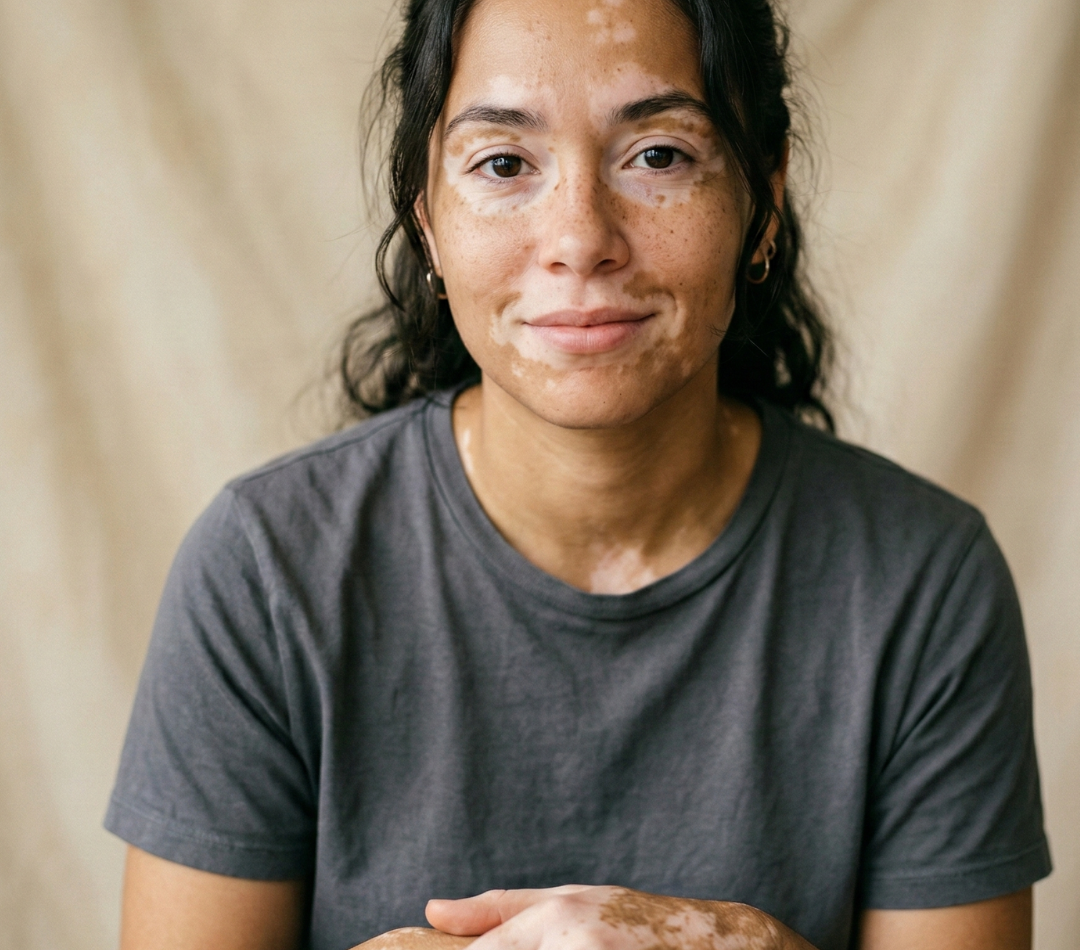
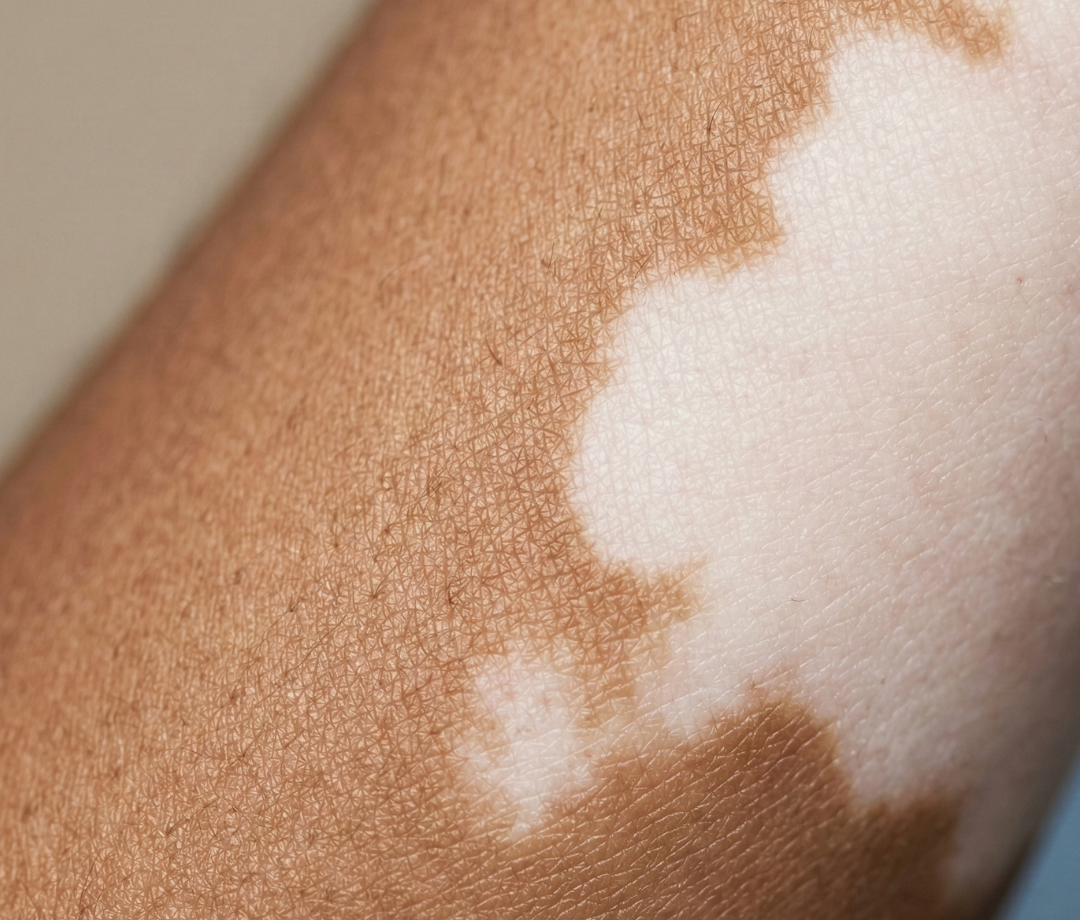
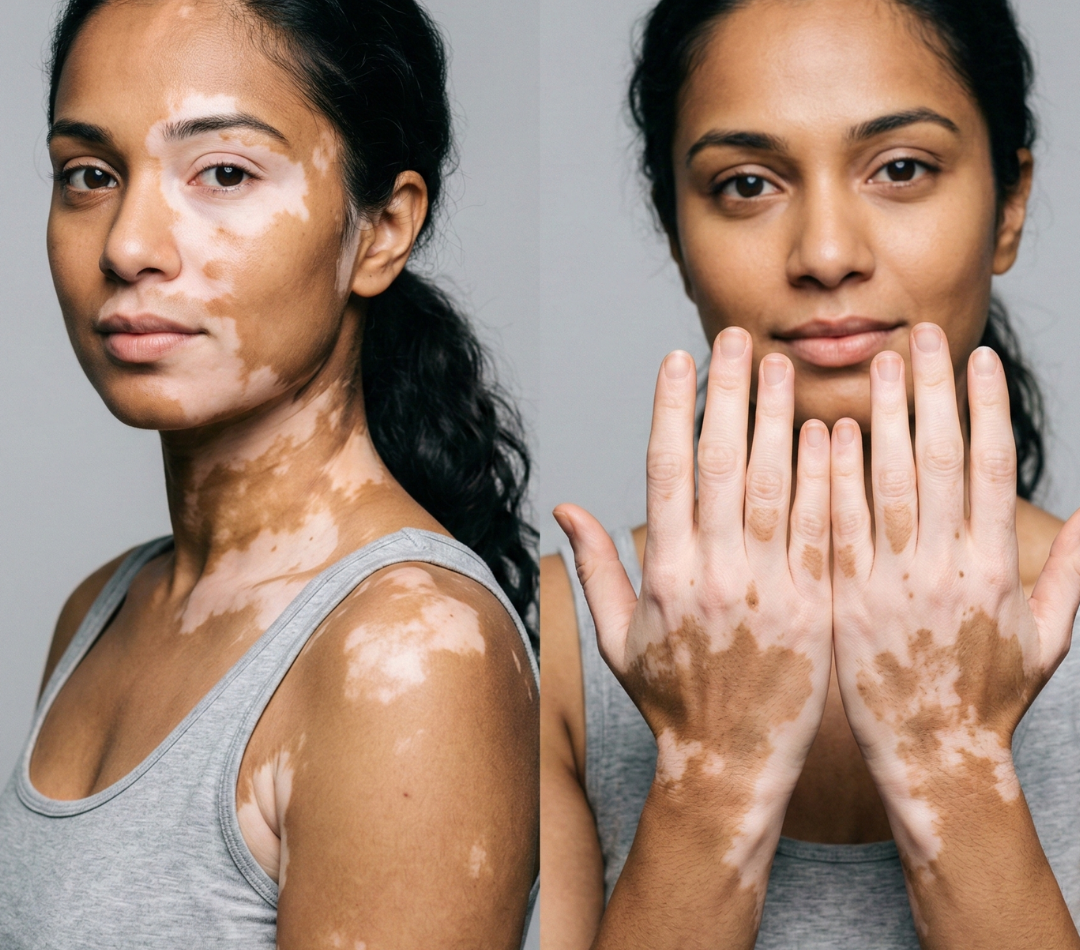
Vitiligo is a skin condition characterized by the loss of pigment, resulting in white patches appearing on different parts of the body. This occurs when melanocytes — the cells responsible for producing skin color (melanin) — are reduced or destroyed.
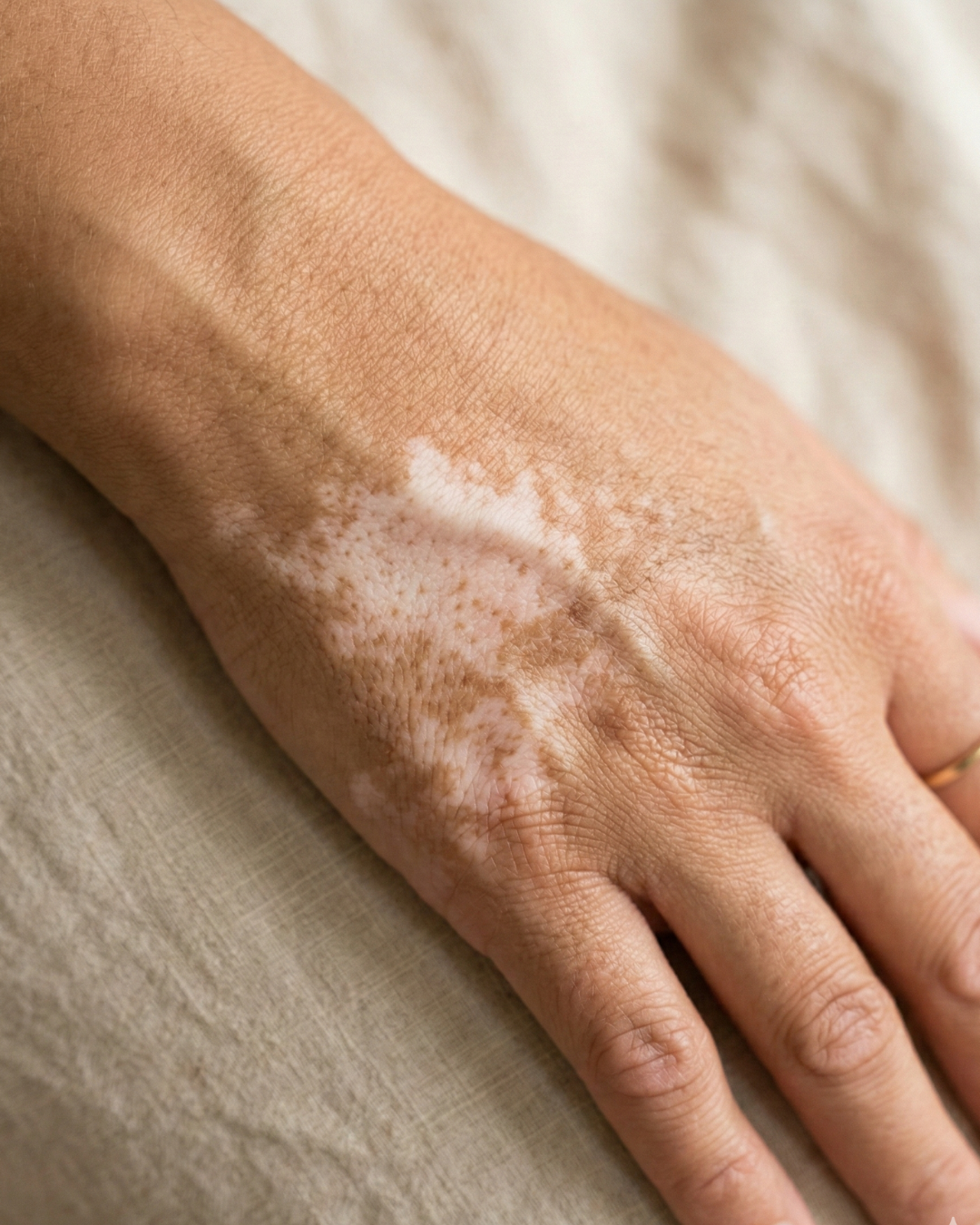
Vitiligo can begin at any age and may affect the face, hands, arms, feet, or other areas of the body. While it is not physically harmful or contagious, it can significantly impact a person’s confidence and emotional well-being.
At Skintillate Clinic, we provide advanced and personalized treatment solutions for vitiligo, helping patients restore pigmentation and regain confidence.
What Causes Vitiligo?
Vitiligo occurs due to the destruction or malfunction of melanocytes. The exact cause is not always clear, but several factors are believed to contribute:
- Autoimmune disorders (body attacking its own pigment cells)
- Genetic predisposition
- Oxidative stress
- Neural factors
- Environmental triggers
It affects both men and women equally and can appear in any skin type. The contrast is often more noticeable in individuals with darker skin tones.
Vitiligo is not infectious and cannot be spread through touch.
Is Vitiligo Hereditary?
In some cases, vitiligo may run in families. However, having a family member with vitiligo does not necessarily mean that other members will develop it. Genetic predisposition increases risk, but environmental and immune factors also play an important role.
Types of Vitiligo
Vitiligo is broadly classified into two main types:
1️⃣ Segmental Vitiligo (Unilateral Vitiligo)
- Affects one side or segment of the body
- Often appears at a younger age
- Usually stabilizes after a certain period
- May respond well to surgical treatments when stable
2️⃣ Non-Segmental Vitiligo
- The most common type
- Appears symmetrically on both sides of the body
- Can affect face, hands, feet, around eyes, lips, and joints
- Includes subtypes such as focal, generalized, acrofacial, and mucosal vitiligo
The treatment approach depends on the type, extent, and stability of the condition.
How is Vitiligo Treated?
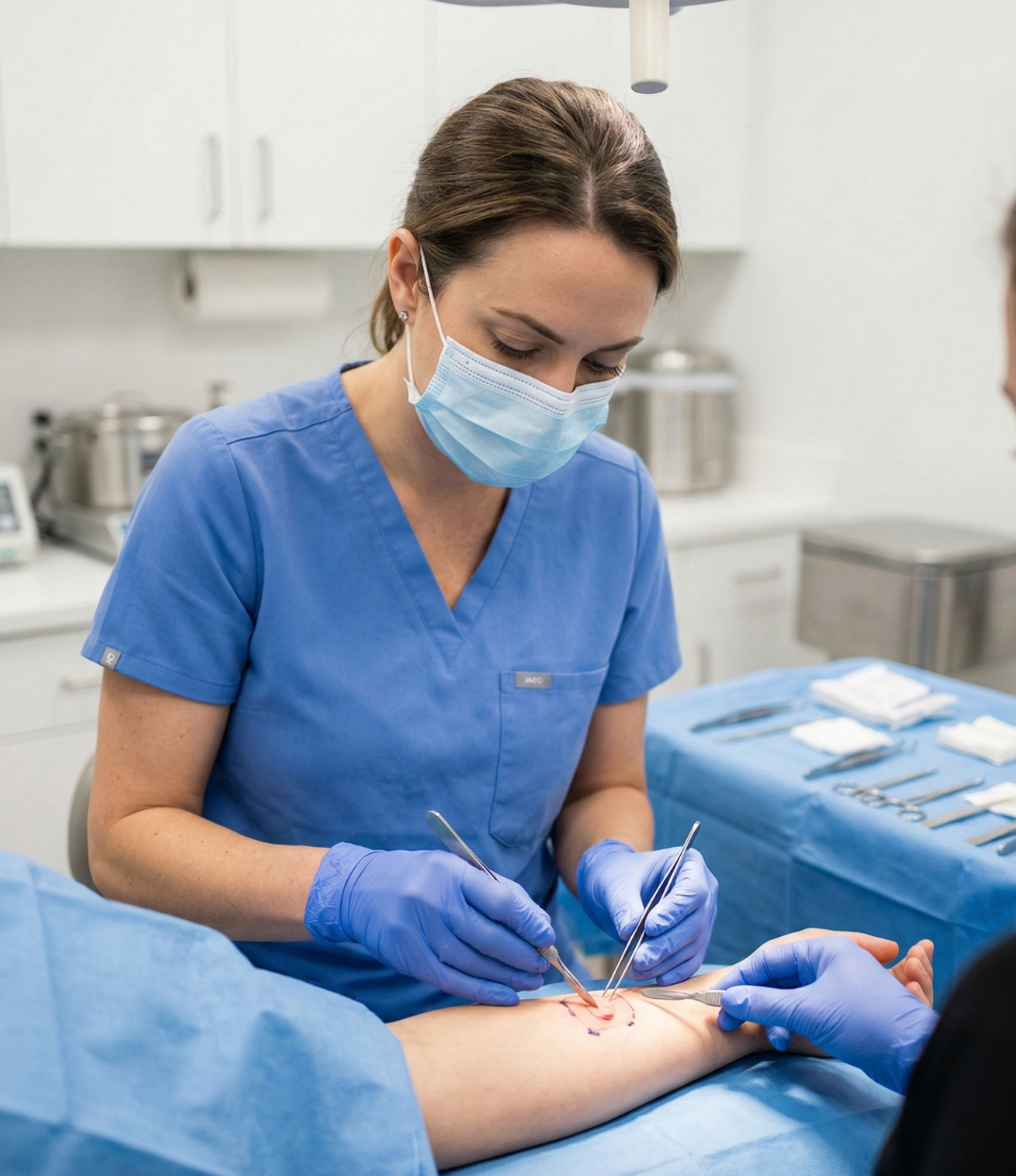
Treatment options depend on the progression, stability, and location of patches. At Skintillate Clinic, we offer both non-surgical and surgical treatment options.
Non-Surgical Treatments:
- Topical medications
- Phototherapy (Narrow Band UVB)
- Immunomodulators
- Combination therapies
These treatments aim to stimulate repigmentation and control disease progression.
Surgical Treatments:
For stable vitiligo (no new patches and no progression for 6–12 months), surgical procedures may be recommended.
One of the most advanced options is Melanocyte Transplantation.
What is Melanocyte Transplantation?
Melanocyte transplantation is an advanced surgical technique used to restore pigmentation in stable vitiligo patches.
In this procedure:
- A thin layer of healthy pigmented skin is taken from a donor area (usually hidden areas like the thigh).
- Melanocyte cells are separated and processed in a controlled environment.
- The prepared cell suspension is applied to the depigmented area after superficial skin preparation.
Over time, these transplanted melanocytes begin producing pigment, leading to gradual and natural repigmentation.
How Does Melanocyte Transplantation Compare to Other Procedures?
Compared to older grafting techniques, melanocyte transplantation:
- Covers larger areas with smaller donor skin
- Produces more uniform pigmentation
- Leaves minimal scarring
- Provides natural color blending
It is considered one of the most effective surgical solutions for stable vitiligo.
Why Choose Skintillate Clinic for Vitiligo Treatment?
At Skintillate Clinic, we combine medical expertise with advanced technology to deliver safe and effective vitiligo treatment.
We provide:
- Comprehensive evaluation and diagnosis
- Customized treatment planning
- Advanced melanocyte transplantation techniques
- Strict hygiene and safety protocols
- Ethical, evidence-based treatment approach
- Long-term follow-up and care
Our goal is not just pigmentation restoration — but restoring confidence and improving quality of life.