
Bed Sores Treatment
Bed Sores Treatment at Skintillate Clinic
Advanced Care for Pressure Ulcers and Skin Wounds
Bed sores, also known as pressure ulcers or pressure sores, are skin injuries that develop due to prolonged pressure on certain areas of the body. They commonly occur in individuals who remain in one position for long periods, such as patients who are bedridden or have limited mobility.
At Skintillate Clinic, we provide comprehensive and advanced treatment for bed sores to promote faster healing, prevent infection, and restore healthy skin.
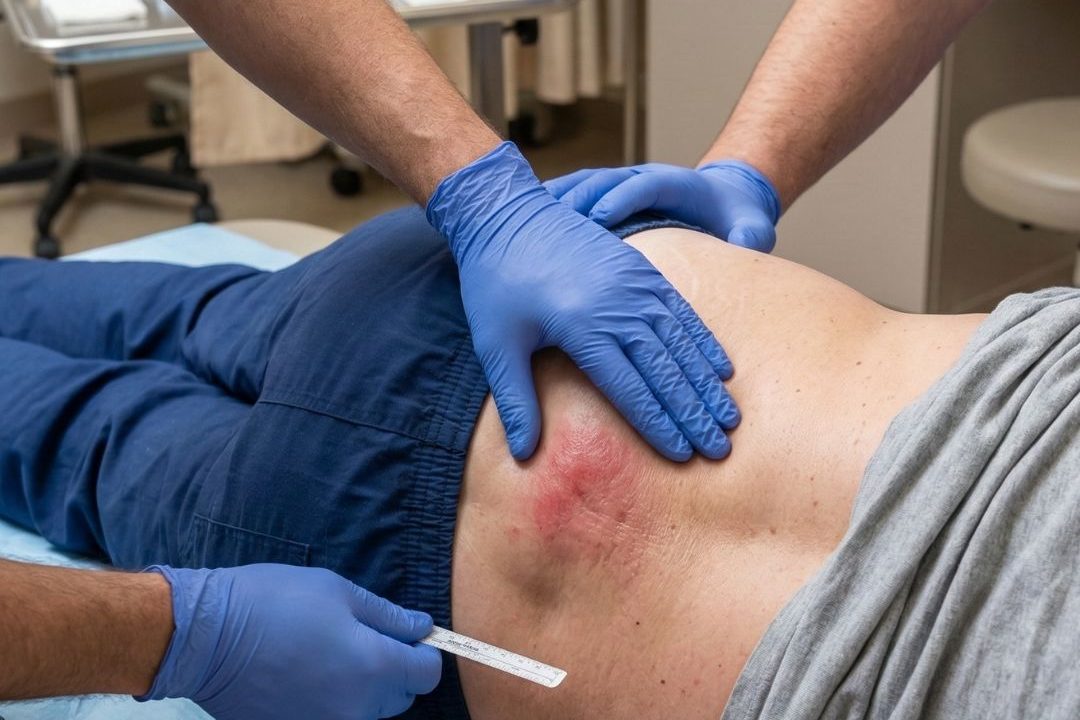
What Are Bed Sores?
Bed sores are injuries to the skin and underlying tissues caused by continuous pressure that reduces blood flow to the affected area. Without proper circulation, the skin begins to break down, leading to wounds that can worsen if not treated promptly.
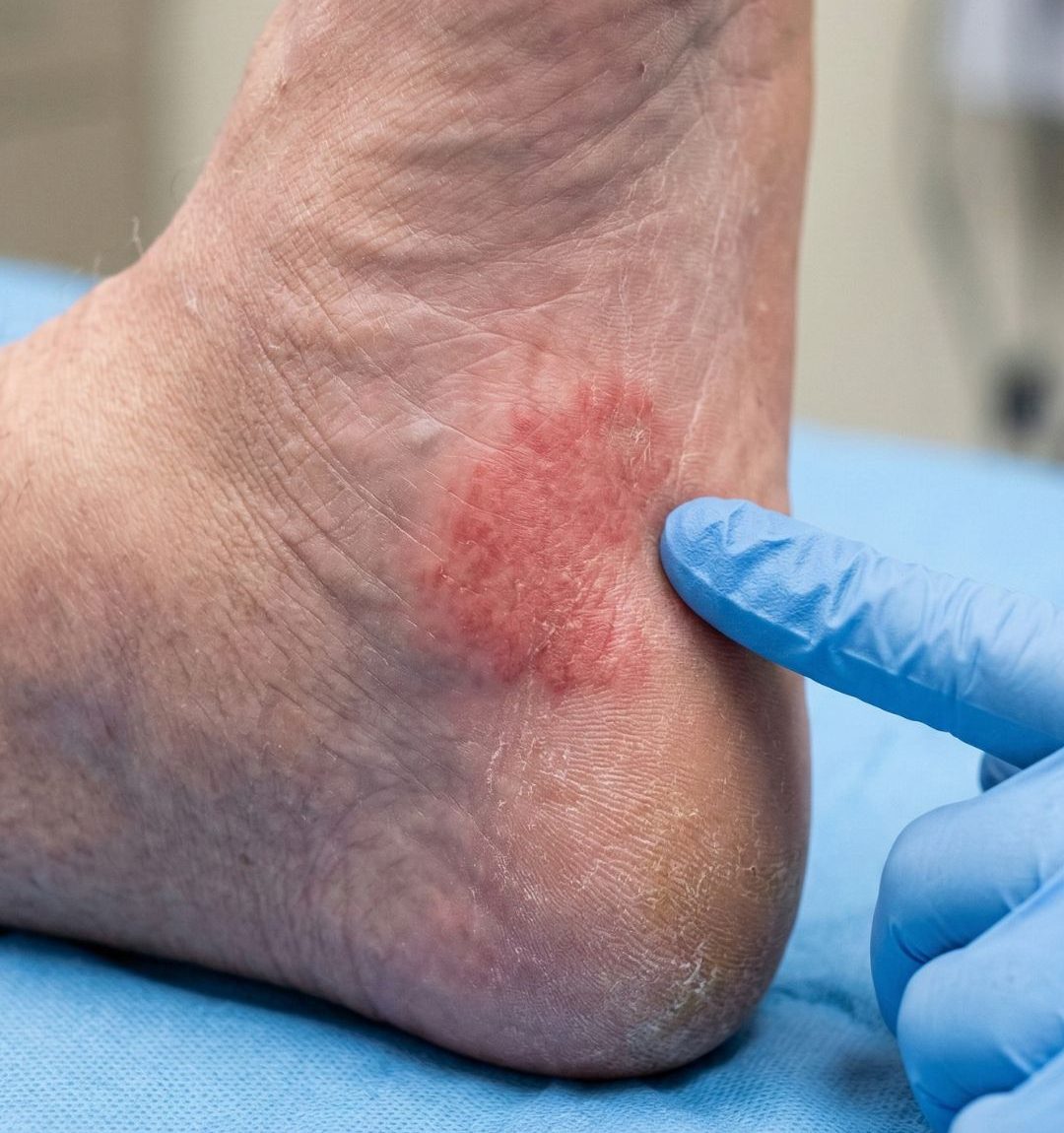
These sores most often develop on areas of the body where bones are close to the skin, including:
- Heels
- Hips
- Lower back
- Tailbone
- Elbows
- Shoulders
Early diagnosis and treatment are essential to prevent complications.
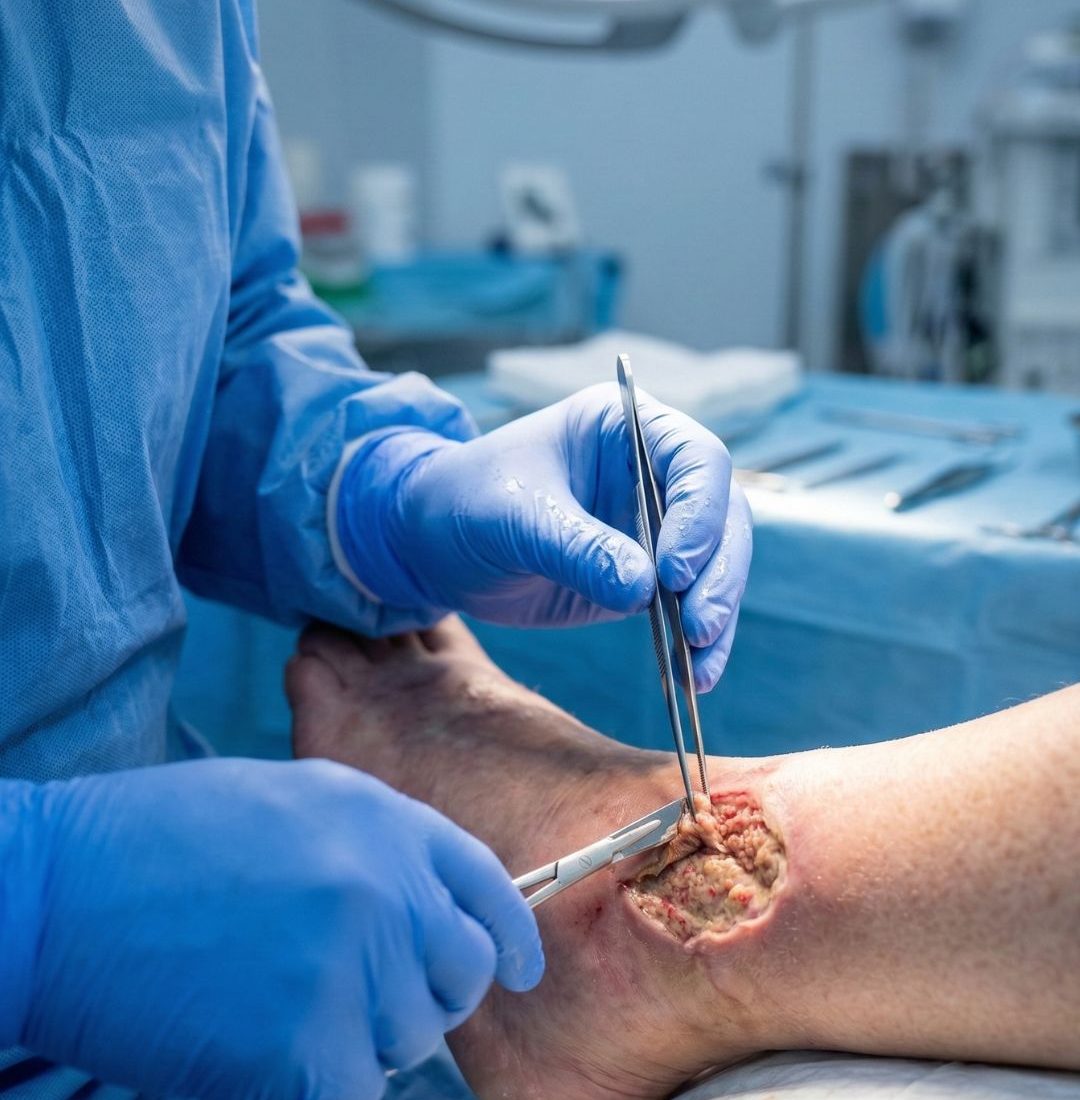
Causes of Bed Sores
Bed sores typically occur when prolonged pressure restricts blood supply to the skin. Several factors may increase the risk of developing pressure ulcers.
Common causes include:
- Prolonged bed rest
- Limited mobility or paralysis
- Poor blood circulation
- Friction or repeated rubbing on the skin
- Excess moisture from sweat or incontinence
- Poor nutrition and dehydration
Patients who are elderly, recovering from surgery, or suffering from chronic illnesses may be at higher risk.
Symptoms of Bed Sores
Bed sores can progress through several stages. Recognizing early signs helps prevent severe skin damage.
Common symptoms include:
- Redness or discoloration of the skin
- Pain or tenderness in the affected area
- Swelling or warmth
- Blisters or open wounds
- Skin breakdown or deep ulcers in advanced stages
If left untreated, bed sores can lead to serious infections and complications.
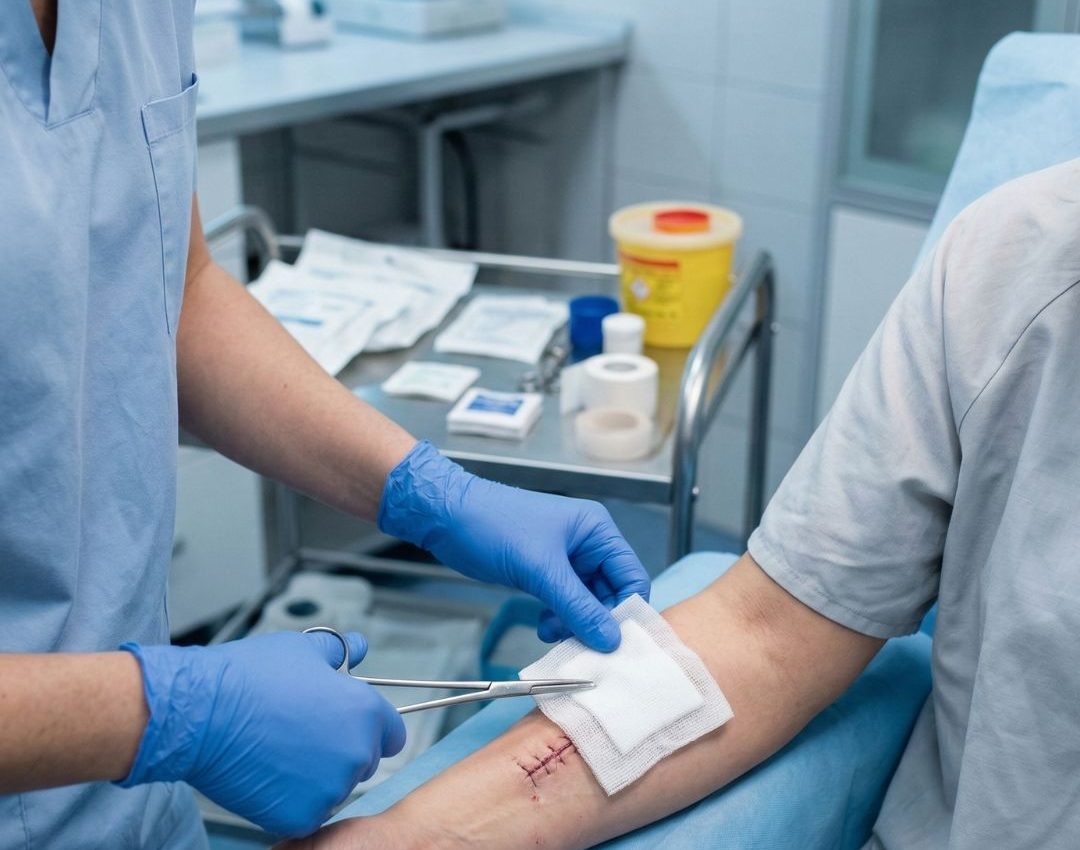
Advanced Bed Sores Treatment at Skintillate Clinic
At Skintillate Clinic, our specialists provide effective and personalized treatment plans based on the severity of the condition.
Wound Cleaning and Care
Proper cleaning and dressing of the wound helps prevent infection and supports faster healing.
Advanced Wound Dressings
Specialized medical dressings are used to protect the wound and maintain a moist healing environment.
Infection Control
If infection is present, appropriate medications and treatments are provided to control bacterial growth.
Debridement Procedure
In some cases, dead or damaged tissue may need to be removed to allow healthy tissue to heal properly.
Pressure Relief Techniques
Reducing pressure on affected areas is essential to prevent worsening of the sores and support recovery.
Stages of Bed Sores
Bed sores are generally categorized into four stages based on their severity.
Stage 1
Red or discolored skin that may feel warm or painful but remains intact.
Stage 2
The skin begins to break, forming a shallow open sore or blister.
Stage 3
The wound becomes deeper and extends into underlying tissues.
Stage 4
Severe damage involving muscles, tendons, or bones.
Early treatment can prevent progression to advanced stages.
Prevention of Bed Sores
Preventive care plays an important role in reducing the risk of pressure ulcers.
Preventive measures include:
- Regular repositioning of the body
- Maintaining good hygiene
- Using supportive mattresses or cushions
- Keeping the skin clean and dry
- Ensuring proper nutrition and hydration
- Monitoring the skin for early signs of damage
These steps can significantly reduce the risk of developing bed sores.

Why Choose Skintillate Clinic for Bed Sores Treatment?
Patients trust Skintillate Clinic for compassionate and effective wound care.
Our advantages include:
- Experienced medical specialists
- Advanced wound care techniques
- Personalized treatment plans
- Focus on infection prevention and healing
- Comfortable and hygienic clinical environment
Our goal is to provide safe, effective care that promotes faster healing and improves overall patient comfort.